
July 21, 2026
You submitted your bid and got the job. But now you have to figure out how you're going to power your project.
Relax. We've got you covered - just as we did for the Tennessee Titans when they needed a temporary power solution during the construction of their new stadium in 2025. 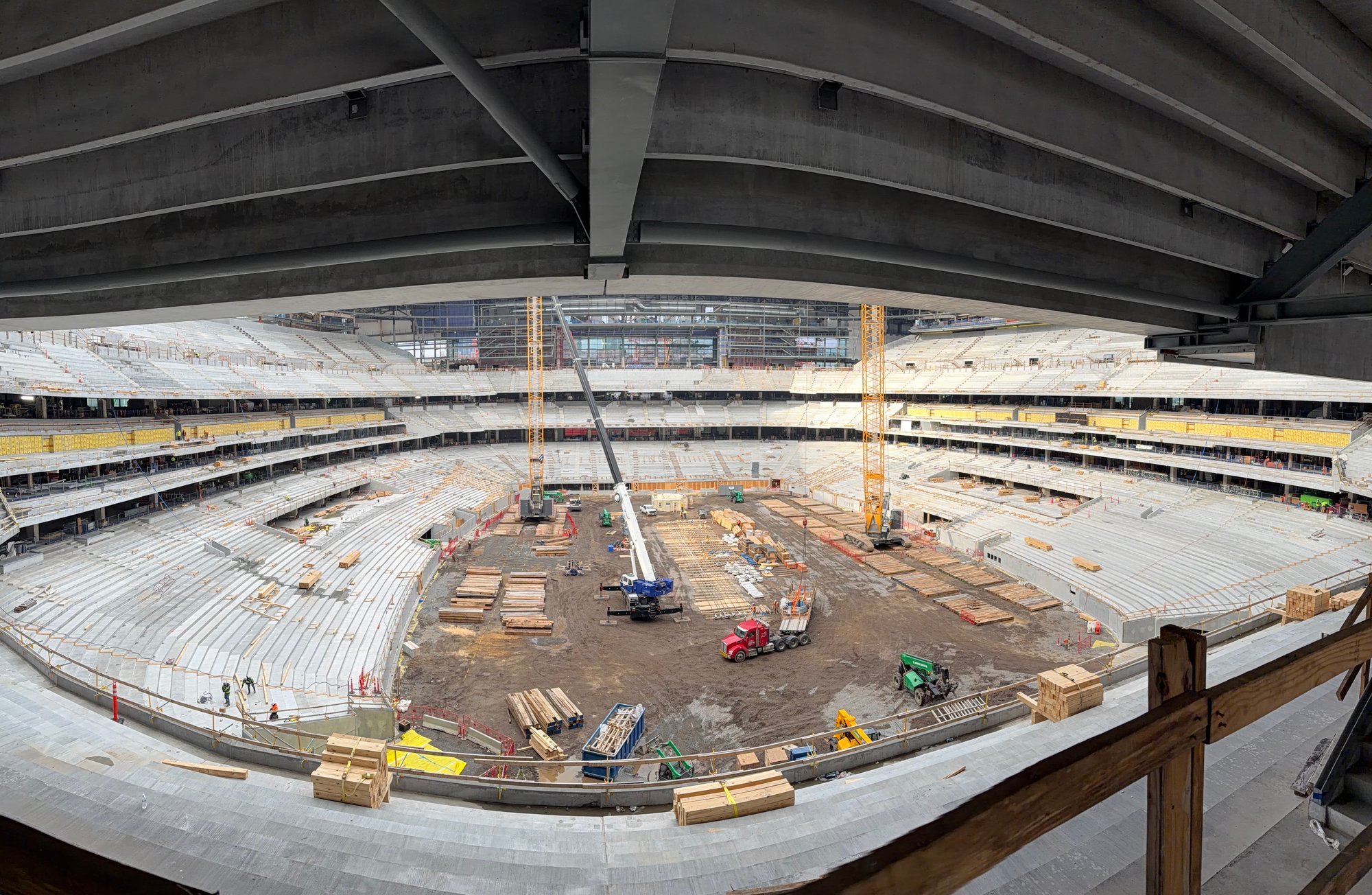
Reliable power distribution is the backbone of productivity on any job site. Without it, tools sit idle, crews lose valuable time, and safety risks increase. The right jobsite power unit not only ensures every piece of equipment runs smoothly but also helps protect workers with built-in safety features -- keeping projects on schedule and within budget.
Ericson has been a trusted leader in rugged, OSHA-compliant temporary power distribution solutions for decades -- delivering durable, weather-resistant products designed to perform in the toughest conditions.
Step 1. Determine Your Jobsite Power Needs
Choosing a jobsite power unit starts with knowing how much power your project requires. Undersizing can lead to overloaded circuits, tripped breakers, and costly downtime, while oversizing ensures you have the flexibility to handle peak demand. By assessing the size of your crew, the number of tools in use at the same time, and the voltage and amperage those tools require, you can match your power station’s capacity to your jobsite’s exact needs.
Factors to Consider
Size of the crew and number of tools in use simultaneously: The more people working on your site, the greater the demand for power. A large crew running multiple tools at the same time will quickly max out a low-capacity power station, leading to interruptions that slow progress. Estimating your maximum tool usage at peak times ensures you choose a unit that can handle simultaneous loads without straining the system.
Types of equipment: Not all tools draw the same amount of power. Heavy-duty machinery such as welders, compressors, or large saws require far more energy than smaller devices like drills or lighting. Factoring in the specific mix of equipment used on your site helps you avoid undersizing your power station and ensures every tool gets the energy it needs to perform at full capacity.
Voltage and amperage requirements: Understanding your jobsite’s voltage and amperage needs is critical for safe, reliable power distribution. Many jobsites require both 120V and 240V outlets, and amperage ratings must match the tools and machines you’ll be running. Choosing a power distribution unit with the right combination of voltage and amperage capacity helps prevent overloads, reduces wear on equipment, and supports uninterrupted workflow.
Why Overestimating Capacity Can Help Prevent Downtime
Overestimating your long-term or temporary jobsite power power capacity provides a buffer that keeps operations running smoothly, even when demand spikes. Unexpected equipment additions, overlapping work schedules, or simultaneous use of high-draw machinery can push a system to its limits. By choosing a jobsite power system with more capacity than you think you need, you reduce the risk of tripped breakers, overheating, and costly delays. Going the extra mile can extend the lifespan of your equipment by preventing it from operating under strain.
Number and Type of Outlets
When selecting a jobsite power system, it’s important to evaluate how many connections you’ll need to keep your crew productive. A good place to start is by listing the tools, machinery, and devices that will be in use at the same time, then match that list to the number of available outlets. Too few connections can force workers to unplug and swap cords, causing delays and potential safety hazards. A well-equipped power station should offer enough outlets to accommodate your peak usage without overloading circuits.
Equally important is the variety of outlet configurations. Ground Fault Circuit Interrupter (GFCI) outlets provide essential protection against electrical shock in wet or hazardous conditions, while twist-lock connectors help secure high-powered equipment connections and prevent accidental disconnections. Standard 20A duplex outlets are ideal for smaller tools, while 30A or 50A outlets support heavy-duty machinery. A layout that includes a mix of these options allows you to power both high-draw equipment and everyday devices from the same unit, ensuring flexibility and efficiency across all tasks on the jobsite.
Step 2: Address Equipment Wear and Tear
On a busy jobsite, power distribution units need to withstand constant movement, accidental bumps, and exposure to harsh conditions. Choosing a unit built with heavy-duty enclosures and reinforced frames ensures it can handle the wear-and-tear of daily use. Materials like powder-coated steel, corrosion-resistant alloys, and impact-resistant polymers are essential for protecting internal components from damage and extending the unit’s lifespan.
A rugged design is especially important in high-traffic work zones where equipment is frequently repositioned or exposed to vehicle and foot traffic. Ericson’s power distribution units are engineered with durability in mind, featuring robust housings that resist dents and deformation, as well as reinforced frames that maintain structural integrity even under heavy use. These design choices not only protect the unit itself but also safeguard your crew by reducing the risk of electrical failures caused by physical damage.
Step 3: Consider the Elements
Weatherproofing is essential for keeping your jobsite power distribution unit reliable and safe in any environment. Exposure to rain, snow, dust, and extreme temperatures can quickly compromise electrical components, leading to dangerous malfunctions and costly downtime. A weather-resistant design ensures that your power unit can perform in all conditions and wherever the job takes you, without sacrificing safety or efficiency.
Features to Look For
When evaluating a jobsite power system, certain weather and environmental protection features can make all the difference in performance and safety. NEMA-rated enclosures provide a standardized level of protection against dust, water, and other environmental hazards, with ratings such as NEMA 3R or NEMA 4X indicating suitability for outdoor or highly corrosive environments. GFCI protection is another must-have, automatically shutting off power when a ground fault is detected to prevent electrical shock, an especially critical safeguard in wet or damp conditions.
Additionally, corrosion-resistant materials like powder-coated steel, stainless steel, or specialized polymers help protect the unit from rust and deterioration caused by moisture, chemicals, or salt in the air. Together, these features not only extend the life of your power station but also minimize the risk of electrical hazards, such as shorts or arc faults, and prevent costly repairs or downtime.
Step 4: Keep it Safe and Compliant
Safety compliance isn’t optional on a jobsite. It’s a necessity for keeping workers safe, avoiding costly fines, and protecting your reputation. Power distribution units that meet OSHA and NEC requirements are designed to minimize electrical hazards and ensure safe operation in demanding environments. OSHA compliance ensures that the equipment meets workplace safety standards, while NEC compliance confirms it adheres to nationally recognized guidelines for safe electrical installation and use. Choosing a power station that meets both standards helps safeguard your crew as part of a safe, regulation-compliant worksite.
Third-party certifications, such as UL or ETL Listed, provide independent verification that a power distribution unit has been rigorously tested for safety, performance, and durability. These certifications give contractors and project managers confidence that the equipment meets or exceeds industry standards, reducing the risk of failures, hazards, or costly downtime. In short, they’re your assurance that the product will perform safely and reliably under real-world jobsite conditions.
Built-in safety features such as circuit breakers, GFCI outlets, and visual power indicators play a critical role in protecting workers on the jobsite. Circuit breakers prevent dangerous overloads by shutting off power when current exceeds safe limits, while GFCIs cut power instantly if a ground fault is detected, reducing the risk of electrical shock. Visual power indicators give crews a clear, immediate signal that a circuit is live, helping prevent accidental contact with energized equipment.
Step 5: Consider Portability and Setup
Mobility is a key consideration when choosing temporary jobsite power, especially for projects where work zones shift frequently. A portable unit allows you to bring power exactly where it’s needed, reducing the need for long extension cords that can create trip hazards or cause voltage drop. For smaller or short-term projects, a lightweight design with built-in handles and wheels makes it easy to move the unit without extra equipment.
In contrast, heavy-duty stationary units are ideal for large, long-term worksites where power distribution needs are consistent.
No matter the style, look for quick setup features such as clearly labeled outlets, tool-free connections, and integrated cable management. These design elements minimize downtime during installation and relocation.
Step 6: Find a Partner for Your Power System Needs
For decades, Ericson has built a reputation as a trusted leader in delivering safe, reliable, and rugged jobsite power solutions. Known for engineering excellence, Ericson offers a wide range of standard power distribution products, to customized, application-specific solutions. Our lighting and power solutions are tailored to meet the demands of any project. Every unit is designed with a commitment to safety, OSHA and NEC compliance, and long-lasting performance.
When selecting the right jobsite power unit, it’s important to consider factors like power capacity, number and type of outlets, durability, weather protection, safety compliance, and portability. Investing in a high-quality, well-built unit improves productivity and protects your crew while also reducing downtime and maintenance costs.
To find the perfect fit for your project, explore Ericson’s full product line or connect with one of our power solutions experts to discuss your specific needs.
Tag(s):
Jobsite Power and Protection
More from the blog
View All Posts
Workplace Safety
3 min read
| January 19, 2017
Temporary Electrical Power- Keeping it Safe and Time Effective!
Read More
Workplace Safety
6 min read
| August 13, 2026
Fall Turnaround Downtime: How Poor Power and Lighting Drain Budgets
Read More
Jobsite Lighting
4 min read
| July 27, 2016